
“Filler Fatigue” is Driving Renewed Interest in Facelifts
Media Contact
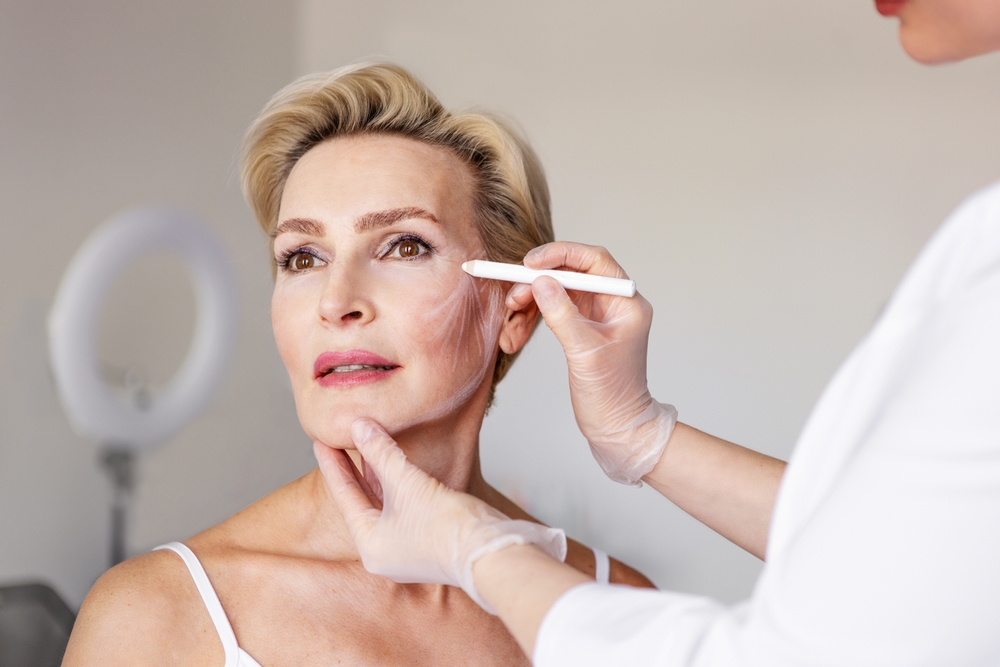
While fillers remain one of the most popular cosmetic treatments in the country, facial plastic surgeons say a growing number of patients are beginning to rethink long-term filler use, especially when it comes time for facelift surgery.
According to the latest survey from the American Academy of Facial Plastic and Reconstructive Surgery (AAFPRS), non-surgical treatments account for 80 percent of all procedures performed by facial plastic surgeons, with fillers and neurotoxins continuing to dominate due to their convenience and minimal downtime. Simultaneously, facelifts remain the nation’s second most-performed surgical facial procedure after rhinoplasty, reflecting growing demand for longer-lasting, more natural-looking rejuvenation.
Facial plastic surgeons say many patients who began filler in their 20s and 30s are now seeking surgical solutions after years of repeated injections, prompting more conversations about how long-term filler use may affect facial anatomy and facelift planning.
“Filler is an excellent tool when used carefully and conservatively, but it does not stop the aging process,” says double board-certified facial plastic surgeon Dr. Anthony Brissett, President of the AAFPRS and Division Chief, Facial Plastic and Reconstructive Surgery of Houston Methodist. “Over time, some patients accumulate filler in multiple areas of the face, which can obscure natural anatomy or create fullness that no longer reflects youthful facial structure.”
According to Dr. Brissett, one of the biggest misconceptions is that filler can replace a facelift. “Filler restores volume, while a facelift addresses tissue descent, skin laxity, jowling, and jawline definition,” he says. “There comes a point where adding more filler may not create a more youthful appearance and can actually make the face look less natural.”
The trend reflects a broader shift in aesthetics toward subtle, undetectable results over exaggerated transformation. In fact, AAFPRS survey data shows patients are now more concerned about looking unnatural than they are about cost or downtime.
Surgeons emphasize that the message is not anti-filler, but rather about balance, restraint, and choosing the right treatment at the right time.
“The best outcomes come from individualized treatment planning,” says Dr. Brissett. “For some patients, filler is the right choice, while for others, surgery may be more appropriate. And for many patients, the best result comes from a balanced combination of both. The key is working with a board-certified facial plastic surgeon who understands both surgical and non-surgical facial rejuvenation and can create a long-term plan that preserves natural facial balance rather than simply adding more volume over time.”
The takeaway: as aesthetic preferences shift toward more natural-looking results, facial plastic surgeons say patients are increasingly seeking individualized, long-term approaches to facial rejuvenation rather than relying solely on repeated filler treatments.
ABOUT THE AAFPRS:
The American Academy of Facial Plastic and Reconstructive Surgery is the world’s largest specialty association for facial plastic surgery. It represents more than 2,200 facial plastic and reconstructive surgeons throughout the world. The AAFPRS is a National Medical Specialty Society of the American Medical Association (AMA) and holds official seats in both the AMA House of Delegates and the American College of Surgeons board of governors. AAFPRS members are board certified surgeons whose focus is surgery of the face, head, and neck (inclusive of Rhinoplasty and Facial Rejuvenation). More information at www.FaceMD.org.
Connect With Us:
Patty Mathews: [email protected]
Facebook: www.facebook.com/AAFPRS
X & Instagram: @AAFPRS
